Category: thus far…


Glenn Greenwald was one of the first reporters to see — and write about — the Edward Snowden files, with their revelations about the United States’ extensive surveillance of private citizens. In this searing talk, Greenwald makes the case for why you need to care about privacy, even if you’re “not doing anything you need to hide.”

nyrb102314_png_600x1292_q85

OCTOBER 23, 2014 ISSUE

Why Weren’t Alarm Bells Ringing? Paul Krugman

“…Yes, rising levels of private debt, increased reliance on shadow banking, growing international imbalances, and so on helped set the stage for disaster. But intellectual shifts—the way economists and policymakers unlearned the hard-won lessons of the Great Depression, the return to pre-Keynesian fallacies and prejudices—arguably played an equally large part in the tragedy of the past six years. Say’s Law—the false claim that income is automatically spent—made a comeback. So, incredibly, did liquidationism, the view that any effort to ameliorate the pain of depression would postpone needed adjustment. It’s true that conventional economic analysis fell short in the face of crisis. But when policymakers rejected orthodox economics, what they did by and large was to reject it in favor of doctrines like “expansionary austerity”—the unsupported claim that slashing government spending actually creates jobs—that made the situation worse rather than better…”


I am wondering of late how the West is ever going to untangle the unholy mess we have created by backing violent fringe groups all over the globe in order to create disorder and regime change in target countries. This tactic has enabled us to maintain hegemonic control over strategic areas of the globe and to plunder their resources.

Isis makes a perfect example of this descent into chaos, while the fascists in Ukraine are another group in the early stage of development.

But now this gambit is unraveling because the pawns are turning on their kings and our leaders are finding it harder to deceive us that their motivation is the protection of democracy and our “Western values”.

In the West in order to deliver democracy to the third world our politicians tell us it is necessary to reduce our rights and freedoms at home and increase our taxes.

There is another elephant in the room that is becoming more visible as our taxes rise and freedoms are disappearing, and that is our governments are not doing these things for us.

Here in Australia and more so in the United States we are fighting wars for the wealthy and especially for the tax dodging corporations making up the military industrial complex. This industry is now being overtaken by the “insecurity industry” based around the CIA run fear business which makes most of its money from spying on citizens and industrial espionage rather than averting terrorism.

In fact this industry depends on our fear of terrorism and the latest security laws in Australia created in response to 30,000 CIA trained zealots in Toyota utility vehicles taking over Iraq oil wells, our rights and liberties are being butchered by our parliamentary “representatives”.

With CIA operatives fueling turmoil in Libya, Syria Ukraine, Chechnya Venezuela and Pakistan and then losing control of the many balls they are juggling, we are on the edge of international chaos with many millions of refugees being created. How much longer can we afford security?

I shudder to think of the difficulties we are creating for our children especially when this turmoil will be getting worse as global climate change adds to the social and economic cost of this insanity, pushing it beyond their ability to cope.

Most alarmingly the struggle to control Middle Eastern oil fields pits the words largest nuclear powers against each other and as I write this article nuclear submarines from at least five nations are shadowing each other in the Mediterranean Sea off the coast of Syria.

World War 3 is pushing closer to a start up date.

It is time we ordinary people in the West used what power we have left to dump the inept politicians and their moribund party systems and replaced them with men and women of imagination and the intelligence to think outside the restrictions of our corporate controlled consumerist world.

We need leaders with the courage to take on the fear industry and the corporate elites whose psychotic greed is killing us all. It is also time we challenged ourselves to step outside our comfort zone and confront the future rather than idealizing the past and importantly to re-engage in politics instead of leaving the field to the ship of fools steering our destiny.

1d5ae10975e6704c1414de420a0d2fda

October 2014

UK, Scotland rethink; Ukip surprises; Hong Kongers up in arms; Iraq/Syria, the next war has begun;
Arab Spring, where’s the money? West Bank, a third intifada? Kenya, behind those jihadis; Rwanda’s elite militia; TTP, the machine jams; Cuba, in from the cold? Little Senegal in the Big Apple…
and more…just click cover above to access...

That veritable organ of climate change denial ” The Australian” has published an opinion piece by Maurice Newman, the business adviser for Prime Minister Tony Abbott, calling for an investigation into the warming bias of the scientists at the Australian Bureau of Meteorology. (BOM).

Many readers of the article have been outraged by the comments of Newman, who has a history of making unqualified remarks against climate change action and especially including his constant tilting at windmills of the electricity generation type, they and the Greens Senators should call his bluff by supporting his call and instigate such an inquiry.

For balance the inquiry should add a component that also looks at bona fides of those making the claim of climate scientists fudging the science. In particular it would look at the vested interest of those making the claim, and who is funding the “independent spokespersons”  such as the well travelled Lord Monkton and the line up of mouthpieces that grace the Murdoch media with their quasi-scientific views.

Perhaps Rupert Murdoch could be called in to tell the inquiry whether he has a vested interest in preventing the uptake of renewable energy by publishing the proliferation of denialist views in his media outlets.

An inquiry should establish if a criminal offence is being committed by either side of the debate by falsifying the information for their own profit. After all if the scientists are correct millions will die and many species will be lost from warming of above 2 degrees.


The sad thing about children’s exam nerves is that their fears often become self-fulfilling. Too much anxiety and they can end up under-performing relative to their abilities.

A team of psychologists led by Fred Paas and colleagues has taken a cognitive psychology approach to this situation. Children have a certain amount of “working memory” capacity, they say, and it’s either used up by the task at hand, or by external pressures, such as intrusive, worrying thoughts. Paas and his team have explored the benefits of a simple strategy that’s designed to help children focus more on the school test, and less on worrying.

Over 100 children (aged 11-12) at three Greek primary schools sat a maths test. Stress was ratcheted up with a timer (three minutes per question) and a prize for the best performer in each class. Crucially, the researchers gave half the students one minute at the test start to skim through all 10 of the maths problems – this was the simple intervention. The researchers said this should reduce anxiety and boost confidence by “activating the relevant schemas for solving the test problems”. The remaining students acted as controls and had an extra minute to answer the first problem.

The good news is that the children who took a minute to skim through the questions performed better on average than the control students, and this was true regardless of their tendency to experience test-related anxiety. Because the students’ self-reported levels of mental exertion didn’t vary across the control and intervention conditions, the researchers said this shows…

::: click through here to piece in full+free @ BPS Research Digest :::

afp

23:32 GMT – Flag raising ceremony – The focus for many protesters this morning is a flag raising ceremony in the Wanchai district where a number of senior city officials are expected to attend as part of the National Day celebrations.

Hundreds of demonstrators are already converging on the area, trying to make their way into Golden Bauhinia Square where the ceremony takes place.

The annual ceremony is often targeted by pro-democracy activists. But never has it taken place before against a backdrop of continued street protests and sit-ins by tens of thousands of demonstrators..

afp

HONG KONG – Thousands of pro-democracy protesters thronged the streets of Hong Kong, some of them jeering National Day celebrations, as demonstrations spread to a new area of the city.  Video | Full Article

Why Australia Urgently Needs an Indigenous Bill of Rights

by JOHN PILGER

There are times when farce and living caricature almost consume the cynicism and mendacity in the daily life of Australia’s rulers. Across the front pages is a photograph of a resolute Tony Abbott with Indigenous children in Arnhem Land, in the remote north. “Domestic policy one day,” says the caption, “focus on war the next.”

Reminiscent of a vintage anthropologist, the prime minister grasps the head of an Indigenous child trying to shake his hand. He beams, as if incredulous at the success of his twin stunts: “running the nation” from a bushland tent on the Gove Peninsula while “taking the nation to war”. Like any “reality” show, he is surrounded by cameras and manic attendants, who alert the nation to his principled and decisive acts.

But wait; the leader of all Australians must fly south to farewell the SAS, off on its latest heroic mission since its triumph in the civilian bloodfest of Afghanistan. “Pursuing sheer evil” sounds familiar; of course, an historic mercenary role is unmentionable, this time backing the latest US installed sectarian regime in Baghdad and re-branded ex Kurdish “terrorists”, now guarding Chevron, Exxon Mobil, Marathon Oil, Hunt Oil et al.

No parliamentary debate is allowed; no fabricated invitation from foreigners in distress is necessary, as it was in Vietnam. Speed is the essence…

::: click here for piece free + in full @ CounterPunch :::

And here’s to unshackling from

the House of Windsor,

too…

Here @ the interpretOr, we reckon that it’s puffed-up, greedy windbags like Joe Hockey, rather than renewable energy, that are the real blot on the landscape…

ABC News, 17 SEPT, 2014:

Federal Treasurer Joe Hockey has made more critical comments about the way wind farms look, describing them as “appalling”.

Mr Hockey said renewable energy was “hugely important” but believed wind turbines were ruining beautiful bits of the Australian landscape.

According to Scott Ludlam, an Australian Greens Senator for Western Australia, the Abbott Government has slashed over half a billion dollars from programs designed to address Australia’s housing affordability crisis…

IF YOU RENT
12,000 affordable rentals won’t be built because Abbott scrapped the National Rental Affordability Scheme.

FIRST HOMEBUYERS
The savings scheme designed to help people save a deposit for their first home has been axed.

SENIORS
A pilot program designed to help seniors to downsize into more appropriate housing has been cancelled.

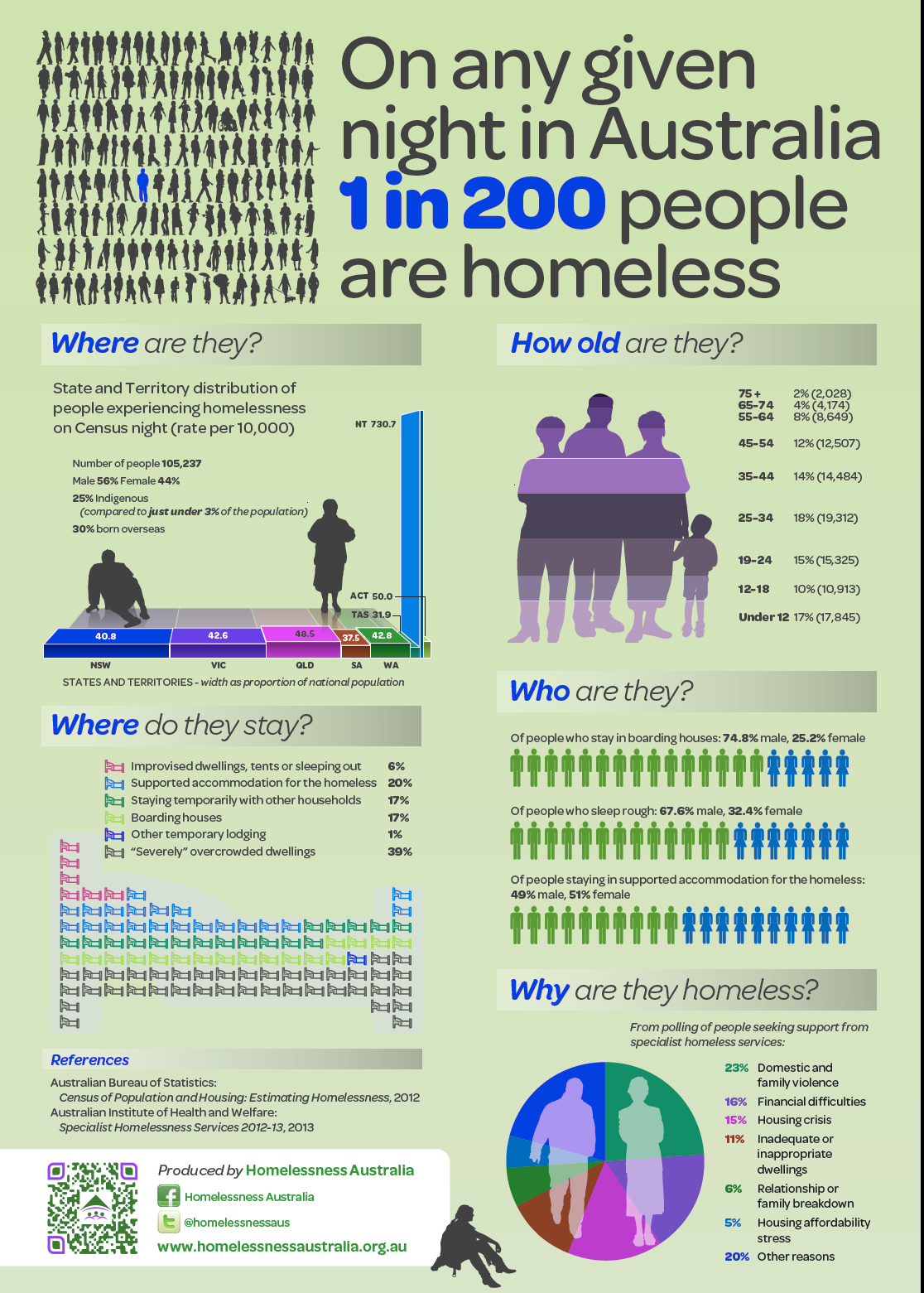
IF YOU FIND YOURSELF HOMELESS
Homelessness services are already stretched thin and their funding beyond 2015 is uncertain. $44 million for new shelters and crisis accomodation facilities has also been cut.

These short sighted cuts will do little to ease the pressure on Australians who are already doing it tough. Nor will it prompt the investment in diverse affordable new housing that Australia needs. This will only increase the number of people experiencing homelessness. Tony Abbott has made it very clear that he doesn’t care about Australia’s who are doing it tough. His cuts to those who are most vulnerable, while letting big business get a free ride, are unconscionable.

THE GREENS WILL FIGHT THESE BUDGET ATTACKS. 

Tell us your story or sign up to find out more about how you can join the campaign against Tony Abbott’s cruel cuts.

You can also check out our comprehensive plan to address Australia’s housing affordability crisis.

HOMELESS14

spwho2014_report_publication

-click cover for report –

key messages from WHO: 

Suicides take a high toll. Over 800 000 people die due to suicide every year and it is

the second leading cause of  death in 15-29-year-olds.

There are indications that for each adult who died of suicide there may have been

more than 20 others attempting suicide.

Suicides are preventable. For national responses to be
effective, a comprehensive multisectoral suicide
prevention strategy is needed.

Restricting access to the means for suicide works. An
effective strategy for preventing suicides and suicide
attempts is to restrict access to the most common means,
including pesticides, firearms and certain medications.

Health-care services need to incorporate suicide
prevention as a core component. Mental disorders and
harmful use of alcohol contribute to many suicides around
the world. Early identification and effective management
are key to ensuring that people receive the care they need.

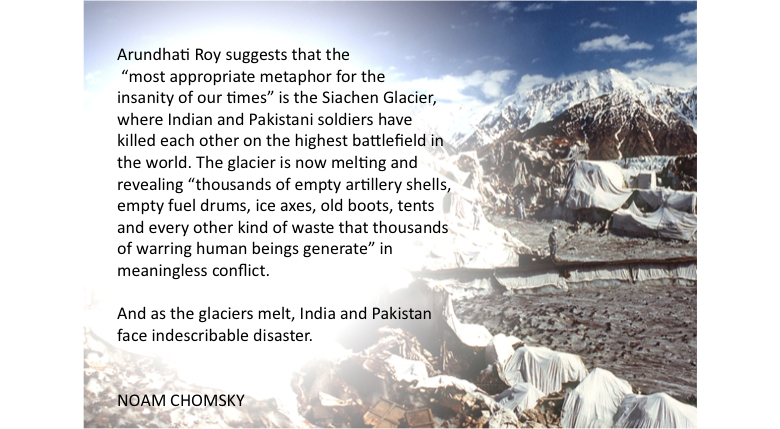
glac

03 Sep 2014 | Scott Ludlam
Nuclear

Confirmation that the Australian Government has suspended potential uranium sales to the Russian Federation has been welcomed by the Greens, after questions placed by Adam Bandt MP in the House and Senator Scott Ludlam in the Senate.

“The Australian Greens have argued that uranium sales to the Russian Federation should never have been contemplated in the first place,” Senator Ludlam said.

“President Putin’s implied threat of nuclear escalation last week, saying, “I want to remind you that Russia is one of the leading nuclear powers,” underlies the risks that Australia faces in fuelling the nuclear industry in Russia and elsewhere.

“With heightened tensions resulting from Russia’s military actions in eastern Ukraine, it is entirely appropriate for the Australian Government to prevent Australian uranium from being shipped to the Russian Federation,” said Senator Ludlam.

“The Greens believe we should revert to an outright ban and caution Prime Minister Abbott against opening a new line of atomic instability with India, which has refused to sign up to international legal agreements on non-proliferation and disarmament.”

leap28     未标题-1     leap28

As four of the world’s most preeminent biennials/triennials are on the cusp of opening right here in the Far East, LEAP dedicates its August issue to the notion of the biennial. However, rather than a collection of reviews of biennials, this cover feature is composed as a set of allegories for an imaginary biennal. “Allegory for a Biennale” does not attempt to answer any of the questions raised by mega-exhibitions, but to dismantle them. Wang Jiahao designs the ultimate museum machine; Einar Engström employs narrative to magnify the logical flaws of pushing the boundaries of art to its extremes; Lightstalker illuminates the multi-dimensional gazes between traditional Chinese fiction and Western painting; and Jacob Dreyer introduces the conceptual grandeur of the ideal that so often sidles up to art—the image, power, and capital. Meanwhile, the feature also includes two actual art events—one an exhibition on the margins that define Hong Kong history and identity, the other a project on those that define Mainland modernization and urbanization. Finally, recapitulating these explorations of art’s existence in zones of creative and political instability, artist Larissa Sansour presents a renewed imagination of the Palestinian state in her work “Nation Estate.” In the accompanying mini-feature “The Soul of Wit,” Yang Zi investigates the role of comedy in four studies of Chinese contemporary art, and Feng Qing pens a treatise on the philosophy of humor; and artist Lin Ke stretches dry humor to its limits in “Seven Humorous Poems.”

By guest blogger Robin Abrahams.

If you’ve been on the internet at all this year, you may have noticed an explosion of fiction-based personality quizzes. What house would you belong to inHogwarts—or in Westeros? Which “Mad Man” are you? WhatShakespeare role were you born to play?

Why do we want to know?

Researchers led by Randi Shedlosky-Shoemaker may have some answers. Their paper, “Self-Expansion through Fictional Characters” rests on the concept of parasocial relationships—a relatively new construct in the social sciences that is becoming increasingly relevant in our media-saturated age.

While there is a clear, bright line between real people and imaginary people (I exist, Hermione Granger does not), there is no such line dividing real and imaginary relationships. (As far as you are concerned, dear reader, both Ms. Granger and I are studious women who exist only on the page or screen.) Even in our most intimate personal relationships, we are often interacting with a mental model of our partner or parent, imagining their current state of mind, or how they would respond to whatever situation we find ourselves in. Although operationalised in this article as relationships with…

... SIMPLY CLICK HERE TO ACCESS THIS PIECE IN FULL & FREE @ THE BRITISH PSYCHOLOGICAL SOCIETY RESEARCH BLOG…

Here’s an extract from the report of the National Inquiry into Children in Immigration Detention, Australian Human Rights Commission, 2014…


9.3.1 Torture and trauma prior to arrival in Australia

Since more than 90 per cent of children in immigration detention over the period of the Inquiry have been found to be refugees, it follows that many children in immigration detention are likely to have been affected by prior experiences of trauma.(46)

The Inquiry commissioned a literature review to consider factors affecting the psychological well-being of child and adolescent refugees and asylum seekers.(47)The paper concludes that:

research clearly demonstrates that refugee children and adolescents are vulnerable to the effects of pre-migration, most notably exposure to trauma. It is also apparent that particular groups in this population constitute higher psychological risk than others, namely those with extended trauma experience, unaccompanied or separated children and adolescents and those still in the process of seeking asylum.(48)

The Inquiry received evidence from a range of sources that children in immigration detention may have experienced significant trauma prior to their arrival in Australia. For example, the Australian Association for Infant Mental Health (AAIMH) reported that:

Refugee parents may have experienced torture, imprisonment, persecution and institutional violence by the political regimes of their country of origin, or have witnessed a spouse or close family members undergoing such experiences.

Many families prior to detention in Australia have experienced long and perilous journeys and been in transit for months or years in refugee camps or in countries where they have had no citizenship rights, lived in very poor and overcrowded housing and where basic needs have been barely met. Children are conceived and born in such situations of deprivation, uncertainty and with minimal or no health care.(49)

The Inquiry also heard evidence that detainees were more likely than other asylum seekers to have had prior experiences of trauma:

Those who had suffered the most severe persecution are perversely at most risk of detention in Australia. This is not really surprising because these are the people most desperate to leave and hence the most likely to enter ‘illegally’ (sic).(50)

The Department acknowledges that pre-arrival experiences have a significant impact on the mental health of child detainees:

Of course, some of these people have had a very difficult and perilous voyage to get to Australia and they may well have other predispositions or issues in their life well before any thought of coming to Australia which might also be impacting on their personal circumstances whilst here.(51)

However, the Inquiry also received evidence that pre-arrival experience does not exclusively account for the mental health problems of children in detention. In other words, detention itself also had a significant impact on the mental health of children, particularly for those held in detention for prolonged periods.

International experience with refugee children resettled to Western countries indicates that while some mental health conditions from prior trauma may persist, particularly post traumatic stress reactions, children generally display a pattern of recovery and adaptation on arrival and integration in their new home.(52)

This can be compared with a 2003 report regarding asylum seekers and their children in a remote Australian detention centre, which found that the impact of detention outweighed that of pre-migration experiences on the development of psychiatric illness:

Lifetime assessment of psychiatric morbidity indicated that there was little psychopathology amongst the children prior to arrival in Australia. One child who had witnessed severe domestic violence in Iran had multiple previous disorders. In contrast at the time of assessment, after having spent in excess of two years in detention, all children were diagnosed with at least one psychiatric disorder and most (16, 80%) were diagnosed with multiple disorders, representing a 10-fold increase in the total number of diagnoses identified.(53)

The Migrant and Workers Resource Centre (MWRC) from Queensland conducted a study of 40 former child detainees and found that ‘[t]he detention of asylum seekers upon their arrival in Australia has a deleterious psychological effect upon asylum seekers through maintaining or aggravating these pre-existing conditions’.(54)

Furthermore, a psychiatrist who has examined several children detained at Woomera stated that detention was the worst thing that had happened to a number of them:

People are resilient and given appropriate circumstances, people can recover from the most horrible traumas, but on average you would expect a significant proportion of these children to continue to suffer, throughout their life, the effects of the detention experience. Now, that is obviously not the only traumatic experience that many of these children have had, but it is certainly – a number of the families that I’ve been involved with discussions about,the trauma – the traumatic nature of the detention experience has out-stripped any previous trauma that the children have had…

….So it has got to the point where being in detention is the worst thing that has ever happened to these children.(55)

For far too many years suicide prevention has not engaged the perspectives of those who have lived through suicidal experiences. Because of social stigma and fear, as well as personal shame, a culture of silence prevailed. The Way Forward represents a seminal moment in this field’s history; it is an opportunity to benefit from the lived experience of suicide attempt survivors. Many of its recommendations are derived from evidence-based practices, and several are aspirational. All are grounded in the evidence of recovery and resiliency that is clear in the lives of our Task Force members. Viewing suicide prevention through the lens of the eight core values presented in The Way Forward can help us enhance safety while also bringing hope and meaning to those in suicidal despair.

The Core Values represent the group consensus on the values that attempt survivors want suicide prevention professionals and organizations to consider when developing or implementing suicide prevention supports. Research has indicated that promoting protective factors and addressing risk factors for suicide can prevent suicidal behavior.Therefore, it is reasonable to believe that activities that support the Core Values have the potential to prevent future suicide attempts, and improve the quality of life for people who have survived a suicide attempt.

Foster hope and help people find meaning and purpose in life

 Preserve dignity and counter stigma, shame, and discrimination

 Connect people to peer supports

 Promote community connectedness

 Engage and support family and friends

 Respect and support cultural, ethnic, and/or spiritual beliefs and traditions

 Promote choice and collaboration in care

 Provide timely access to care and support

SPRClogo

RD-Header-main-2014v2


Remembering and imagining appear to be very different functions, one recovering true information from the past, the other considering the unreal or exploring the future. And yet many patients with damage to the hippocampus (a structure in the temporal lobes) – and resultant memory impairment – struggle in imagining the future. Moreover, neuroimaging data show the hippocampus is involved in both tasks. Taken together, this evidence suggests that memory for the past and imagination for the future may depend on shared neural processes.

A new imaging study by Brock Kirwan and his colleagues confirms at a broad anatomical level that both memory and future imagination call on similar regions of the hippocampus. But the research also shows how these two mental functions do depend on distinct neural processes after all.

Fourteen study participants were invited into a scanner where they were presented with photographs in a series of runs. One run contained…

... SIMPLY CLICK HERE TO ACCESS THIS PIECE IN FULL & FREE @ THE BRITISH PSYCHOLOGICAL SOCIETY RESEARCH BLOG…

Panel members said phone data had limited role preventing terrorism in testimony before Senate judiciary committee

  excerpt… 

The members of president Barack Obama’s surveillance review panel on Tuesday rejected some of the central contentions offered by the National Security Agency for its bulk collection of phone records, including the program’s potential usefulness in preventing the 9/11 attacks.

Testifying before the Senate judiciary committee, members of the panel said that restricting the NSA is necessary in order to rebalance the competing values of liberty and security.

Richard Clarke, who was the White House’s counter-terrorism czar on 9/11, echoed the 9/11 Commission in saying that the biggest obstacle to preventing the terrorist attack was not the NSA collecting an insufficient amount of data, but a failure to share information already collected.

“If the information that the federal agencies had at the time had been shared among the agencies, then one of them, the FBI, could have gone to the Fisa Court and could have in a very timely manner gotten a warrant to monitor” US-based al-Qaida conspirators, Clarke told the Senate judiciary committee…

::: click here for piece in full :::

Russia has lost contact with its only missile detection satellite in geostationary orbit above the US. The satellite was originally supposed to operate until at least 2017, but began malfunctioning shortly after its launch in 2012. Russia still has two remaining missile detection satellites in elliptical orbits around the planet, but they are reportedly able to monitor US missile activity …click story for more @ the Global Catastrophic Risk Institute

:::::::: <<<  >>> ::::::::

What is the Global Catastrophic Risk Institute?

The Global Catastrophic Risk Institute (GCRI) is a nonprofit think tank working on the topic of global catastrophic risk. GCRI was founded in 2011 by Seth Baum and Tony Barrett. GCRI is geographically decentralized, meaning that it has no central headquarters and its affiliates are located in many places. GCRI works with researchers from many academic disciplines and professionals from many sectors.

As of July 2013, GCRI is a project of the fiscal sponsorship organization Social and Environmental Entrepreneurs.


jfreos's avatarthe interpretOr

The Abbot Point dredging project, recently approved by Australian environment minister, Greg Hunt, will allow India’s Adani Enterprises to build Australia’s biggest coal mine in the Galilee Basin in central Queensland, and dredge to allow massive coal ships to access their proposed new shipping terminal at Abbot Point…to send their coal overseas.

@ the interpretOr, we’re looking at the Indian Government’s recent report on Adani’s existing Mundra port operations that found incontrovertible evidence of:

destruction of mangroves,

blocking of creeks and…

…non-compliance of other clearance conditions.

The reporting committee, headed by Sunita Narain of Centre for Science and Environment, was set up by the Union Ministry of Environment and Forests (Government of india), to inspect ship-breaking facility of M/s Adani Port and SEZ Limited near Mundra West Port in Gujarat’s Kutch district. The committee submitted its report on April 18, 2013 and it can be downloaded in…

View original post 300 more words

After a stint delivering newspapers by bike around Sydney’s Northern Beaches for my uncle Rupert, I hit a bit of a…look, a bit of a time of transition. I’d sprained my forehead during one arduous Sunday morning round…I err, I’d thoroughly enjoyed the cycling aspect, but was finding the pretending-to-be-nice bit rather a strain, particularly with householders in lefty ‘bohemian’ areas who had untidy lawns and/or tree hugger bumper stickers…

Look, quite frankly, at the end of the day, they were challenging times, yet…rather than become a burden upon the business classes of this great colony, I decided to take a leaf from the book, the book of one of my great heroes – Norman Tebbitt – and got back on that bike of mine…I got back on that bike of mine, fellow Australians…I…and I started moving forwards…moving forwards with grit, determination and my winning grin…

ACM

Quite frankly, I ahhh, I embraced work for the dole…I embraced work for the dole with guts ‘n gusto and ventured on that bike…ventured on that bike of mine to ACM*, then under the steely stewardship of Sir David Flounce (OAP), a great Australian and loyal monarchist. With my background in media, I was assigned the task of producing Sir David’s inaugural video diary series – funny that, as I was myself undertaking the first draft of my 1991-92 JobSeeker Diary…Synchronisity…

Sir David made my work for the dole experience a memorable one. He gave me one…he gave me one…he gave me one hell of an opportunity at the cutting edge of the white heat of…the blue flame of…Look, ahhh…

(TBC)

*Australians for Constitutional Monarchy (ACM) is a group of boorish, slimy sycophants that aims to preserve Australia’s current   constitutional monarchy, withElizabeth  II as Queen of Australia: “To preserve, to protect and to defend our heritage: the Australian      constitutional system, the role of the Crown in it and our Flag“…(sic)

jfreos's avatarthe interpretOr

The Bureau of Investigative Journalism, May 2012 report on Putin’s mega wealth:

Back in 2011, surrounded by press, Vladimir Putin emerged from the murky waters of the Black Sea clutching the discovered remnants of ancient buried treasures. The discovery later turned out to be nothing more than a PR stunt. He hadn’t found the artefacts after all. But the stunt had achieved its purpose. Putin was once again seen as the bare-chested, judo-master, tiger-pacifying, untouchable leader of Russia.

But it was another apparent PR stunt – the spontaneous gifting of a £5,500 watch to a peasant boy – which led some to question whether Putin did not have buried treasure of his own. How could a politician with a declared annual salary of around $140,000 (£88,000) afford to live a life seemingly full of luxury watches, as well as yachts and palaces?

The Bureau of Investigative Journalism decided to investigate and…

View original post 1,274 more words

jfreos's avatarthe interpretOr

Blogger Alexei Navalny defied Putin. Now he faces six years in prison. In an interview with SPIEGEL ONLINE, Russian human rights icon Lyudmila Alexeyeva explains why the Kremlin is trying to muzzle the opposition leader — and why it could backfire.

Alexei Navalny made his name as a blogger and anti-corruption activist before becoming the most prominent figure in the protest movement against Russian President Vladimir Putin. But now Navalny is 37 years old, and he is already facing the end of his political career. If a court in the provincial Russian town of Kirov finds him guilty this Thursday, he cannot, by Russian law, run for public office….click here for full story @ SPIEGEL..

Here at the interpretOr, we reported last year that the Putin regime is also accumulating massive wealth – guess this is easier to do if it’s death or the neo-gulags for commentators…

View original post 5 more words

Australia is pursuing draconian measures to deter people without visas from entering the country by boat.

In doing so, it is failing in its obligation under international accords to protect refugees fleeing persecution.

The New York Times, July 2014.


jfreos's avatarthe interpretOr

a well founded fear…

“I was kept in detention for more than a month (in Sri Lanka). During this time, I was questioned and beaten up every day. They asked me about my activities with the LTTE in France. They brought pictures of my participating in antiwar protests in France and accused me of betraying the government. They asked me for the names of others who had organized the protests in France. I was locked in a dark room and my hands were tied in the position of a crucifix. I then was burned all over my arms in this position. I was beaten with hot metal rods on my back and thighs. I was sometimes poked with the end of a hot poker and they kicked my head with metal-toed boots. I was raped many times. Two men would come to my room and one would hold me down…

View original post 18 more words

jfreos's avatarthe interpretOr

Former diplomat Bruce Haigh spent years in some of the world’s hotspots where he saw and did somtimes extraordinary things. In South Africa he befriended the legendary dissident Steve Biko. In Afghanistan he took pictures of Russian military installations. In Pakistan he flirted with Benazir Bhutto, or perhaps it was Benazir flirting with him…He is a regular contributor to the Canberra Times, Crikey and other Oz media…

…here is an excerpt of Bruce Haigh’s recent piece in the Canberra Times, (15/11/13):

“…State imposed secrecy, with respect to managing minorities, dissidents or groups judged to be antithetical to the interests of the ruling elite, leads to oppression through lack of accountability. Morrison does not want to be accountable for deaths in detention or drowning at sea. Lack of transparency is a threat to human rights and democracy, but Morrison is no democrat; he is the Reischsfuhrer of asylum seekers. He decides…

View original post 102 more words

LEAP27封面


艺术界 LEAP : 27 INTRO…’In this issue’s cover feature we see artists in rural Beijing in the mid-1990s employing queerness as means to further marginalize themselves, and with others in the past couple years, to stand out among their peers and predecessors. Yet given the paucity of queer art and artists here at home, we also look beyond these borders: Douglas Crimp walks us through the queer heyday of 1970s New York, Travis Jeppesen peers into the queer gaze of experimental film elsewhere in Asia, and Cosmin Costinas and Chantal Wong elucidate issues of sexuality in Hong Kong and their roots in race and urbanization. Finally, we examine queer art on the Mainland, only to discover that sometimes, appearances deceive. Bisecting these four articles are a peppering of artworks from Jaanus Samma, Wu Tsang, Wang Taocheng, and Trevor Yeung…

Filling out the middle section of the magazine are two features on rising young artists Qiu Xiaofei and He Xiangyu. What we see in the practice of Qiu is both a reverence for and avoidance of the past that in the present find a rational reconciliation by way of the artist’s granting greater autonomy to the canvas. He Xiangyu, meanwhile, distances himself from his previously “big” art, returning to inner reality and bringing painting, sensation, and the body together on the same plane.

In the top section of the magazine, we recount the Art Basel Hong Kong Salon “The Gift of Tongues,” wherein LEAP deputy editor-in-chief Einar Engström set out together with curators Pauline J. Yao and Anthony Yung to delineate the intersections of art and language as seen, and heard, in the practices of Chow Chun Fai and Xu Tan…’

lep27


cc. MENDACIOUS Morrison;
Julie Iron-Lung Bishop.

jfreos's avatarthe interpretOr

A landmark report, released Feb 2014, sheds new light on some of the worst alleged war crimes and crimes against humanity committed during the final months of the Sri Lankan civil war, which ended in May 2009. This report will contribute to an upcoming meeting of the United Nations Human Rights Council where states will decide how to ensure accountability on this issue.

The report, Island of impunity? Investigation into international crimes in the final stages of the Sri Lankan civil war, was produced by the Public Interest Advocacy Centre’s (PIAC’s) International Crimes Evidence Project (ICEP).

The report brings together some of the world’s leading experts on war crimes investigations and international law. It combines detailed, impartial, legal analysis and expert forensic and military analysis with new information and eye-witness accounts.

‘This is the most comprehensive, evidence-based report investigating allegations of war crimes and crimes against humanity in the Sri Lankan…

View original post 228 more words

cc. MENDACIOUS Morrison

jfreos's avatarthe interpretOr

from http://nofirezone.org/:

Carefully evidenced and powerfully measured, ‘No Fire Zone’ is a feature length film about the final awful months of the 26 year long Sri Lankan civil war told by the people who lived through it. It is a meticulous and chilling expose of some of the worst war crimes and crimes against humanity of recent times -  told through the extraordinary personal stories of a small group of characters and also through some of the most dramatic and disturbing video evidence ever recorded. This footage allows us to document the day to day horror of this war in a way almost never done before: Footage recorded by both the victims and perpetrators on mobile phones and small cameras – viscerally powerful actuality from the battlefield, from inside the crudely dug civilian bunkers and over-crowded makeshift hospitals. Footage which is nothing less than direct evidence of war crimes, summary…

View original post 152 more words

Find ideas on how to celebrate NAIDOC Week and see what’s happening near you.

NAIDOC Week 2014 613 July.

NAIDOC Week celebrations are held around the country each July to celebrate the history, culture and achievements of

Aboriginal and Torres Strait Islander peoples.

The week is celebrated not just in Indigenous communities but also in government agencies, schools, local councils

and community organisations…

NAIDOC Events Calendar now open


AMY GOODMAN: From disease to addiction, parenting to attention deficit disorder, Canadian physician and bestselling author Gabor Maté’s work focuses on the centrality of early childhood experiences to the development of the brain, and how those experiences can impact everything from behavioral patterns to physical and mental illness. While the relationship between emotional stress and disease, and mental and physical health more broadly, is often considered controversial within medical orthodoxy, Dr. Maté argues too many doctors seem to have forgotten what was once a commonplace assumption, that emotions are deeply implicated in both the development of illness, addictions and disorders, and in their healing.

Dr. Maté is the bestselling author of four books: When the Body Says No: Understanding the Stress-Disease ConnectionScattered: How Attention Deficit Disorder Originates and What You Can Do about It; and, with Dr. Gordon Neufeld,Hold on to Your Kids: Why Parents Need to Matter More than Peers; his latest is called In the Realm of Hungry Ghosts: Close Encounters with Addiction.

In our first conversation, Dr. Maté talked about his work as the staff physician at the Portland Hotel in Vancouver, Canada, a residence and harm reduction facility in Downtown Eastside, a neighborhood with one the densest concentrations of drug addicts in North America. The Portland hosts the only legal injection site in North America, a center that’s come under fire from Canada’s Conservative government…


DR. GABOR MATÉ: When people are mistreated, stressed or abused, their brains don’t develop the way they ought to. It’s that simple. And unfortunately, my profession, the medical profession, puts all the emphasis on genetics rather than on the environment, which, of course, is a simple explanation. It also takes everybody off the hook.

AMY GOODMAN: What do you mean, it takes people off the hook?

DR. GABOR MATÉ: Well, if people’s behaviors and dysfunctions are regulated, controlled and determined by genes, we don’t have to look at child welfare policies, we don’t have to look at the kind of support that we give to pregnant women, we don’t have to look at the kind of non-support that we give to families, so that, you know, most children in North America now have to be away from their parents from an early age on because of economic considerations. And especially in the States, because of the welfare laws, women are forced to go find low-paying jobs far away from home, often single women, and not see their kids for most of the day. Under those conditions, kids’ brains don’t develop the way they need to…

::::::::


“…if you look at the preponderance of ADD in North America now and the three millions of kids in the States that are on stimulant medication and the half-a-million who are on anti-psychotics, what they’re really exhibiting is the effects of extreme stress, increasing stress in our society, on the parenting environment. Not bad parenting. Extremely stressed parenting, because of social and economic conditions. And that’s why we’re seeing such a preponderance…”

  ::::click here for piece in full @ AlterNet:::: 


badge


“For many years we have suckled on fear and fear alone,

and there is no good product of fear.”

(John Steinbeck)